

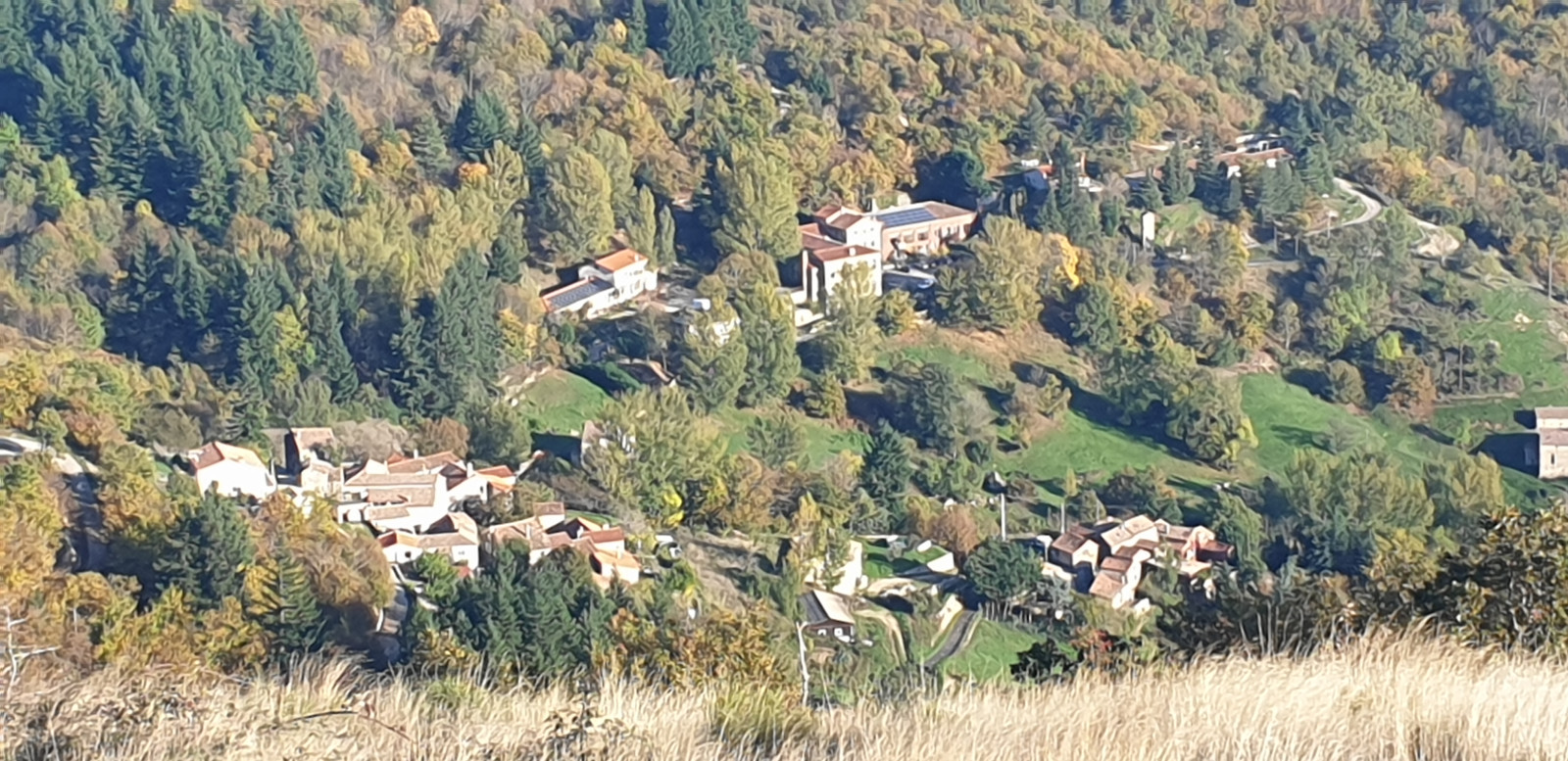
Introduction
In recent years, mountain hiking has become more organized and safety-focused thanks to digital mapping tools. One of the most discussed combinations among hikers in France and nearby alpine regions is map patou visorando, a term that brings together hiking navigation and livestock protection awareness in mountain areas. While many people search for it as if it represents a person or a profile, it is actually a concept built around hiking safety, route planning, and awareness of livestock guardian dogs in grazing zones.
The growing interest in map patou visorando comes from hikers wanting to explore mountains without unexpected encounters with protective dogs guarding sheep and goats. These tools help walkers understand terrain, livestock zones, and safe paths before starting their journey. In this article, we will explore everything about this system in detail, including how it works, why it matters, and how it improves safety in alpine environments.
What Map Patou Visorando Really Means
To understand map patou visorando, it is important to separate the two parts. Visorando is a well-known hiking platform that offers GPS-based trail maps, route planning, and offline navigation for outdoor enthusiasts. On the other hand, “patou” refers to large livestock guardian dogs commonly found in the French mountains, especially in regions like the Pyrenees and Alps.
When combined, map patou visorando refers to the practice of using Visorando hiking maps along with information about patou presence zones. It is not a single official application but rather a practical approach used by hikers to improve safety and awareness. These combined insights allow hikers to understand where livestock is present and where caution is needed while following mountain trails.
This system has become especially important during the summer months when herds are moved to higher pastures and guardian dogs are actively protecting them.
How the System Works in Mountain Areas
The practical use of map patou visorando is quite simple but very effective. Hikers begin by selecting a route on Visorando, which provides detailed maps, elevation profiles, and GPS tracking. They then cross-check the route with livestock grazing maps or local patou risk information provided by regional authorities or community-based mapping tools.
In many mountain regions, grazing areas are marked because shepherds use them for seasonal livestock farming. These zones often include warning signs or digital markers indicating the possible presence of guardian dogs. By combining this data with hiking routes, users of map patou visorando can plan safer paths and avoid unexpected encounters.
This system does not remove all risks, but it significantly reduces confusion and improves preparedness, especially for inexperienced hikers exploring remote trails.
| Category | Details |
|---|---|
| Name | Map Patou Visorando |
| Type | Hiking navigation + livestock safety mapping concept |
| Based on | Visorando + patou (livestock guardian dog zones) |
| Purpose | Helps hikers identify safe routes in mountain grazing areas |
| Region | France, Alps, Pyrenees, European mountain zones |
| Main Use | Trail planning, GPS navigation, livestock risk awareness |
| Users | Hikers, trekkers, outdoor explorers |
| Key Feature | Awareness of patou (guard dog) presence areas |
| Social Media | Not applicable (not a person or brand identity) |
| Personal Data | Not available (no age, family, height, or net worth) |
The Role of Livestock Guardian Dogs
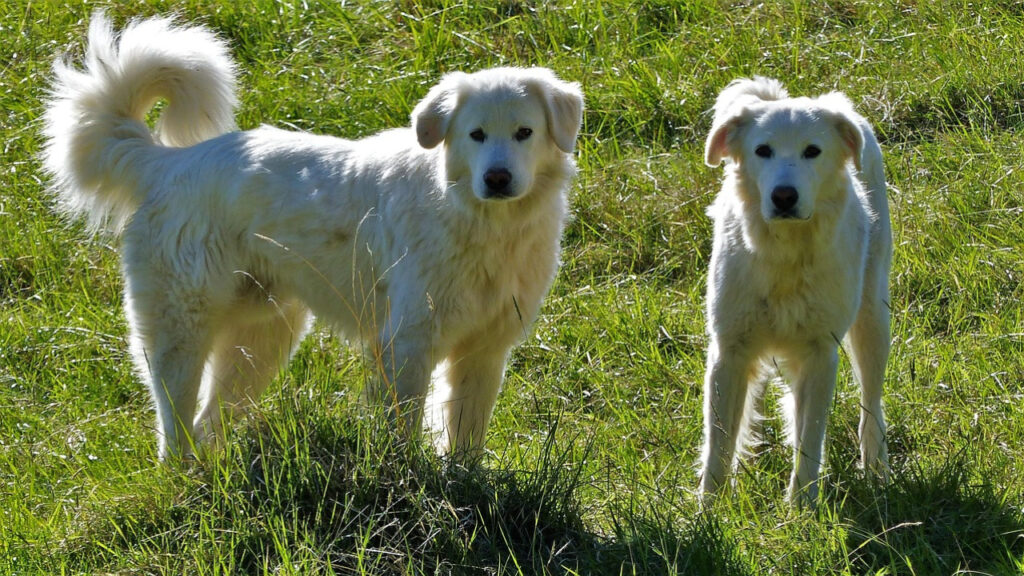
Guardian dogs, commonly known as patous, play an essential role in mountain farming. They are trained to protect sheep and goats from predators such as wolves and bears. These dogs are not aggressive by nature, but they are highly protective of their herds.
Understanding this behavior is a key part of using map patou visorando effectively. When hikers enter grazing zones, patous may approach them to assess whether they are a threat. This can sometimes be intimidating for those who are not familiar with mountain livestock practices.
These dogs are part of traditional pastoral life and are considered essential for maintaining safe livestock farming in remote regions. Their presence has increased in recent years due to wildlife conservation efforts and the return of predators to European mountain ecosystems.
Safety Awareness and Route Planning
One of the most important benefits of map patou visorando is improved safety awareness. Mountain hiking is not only about scenic views but also about understanding the environment. Routes that pass through grazing areas require careful planning, especially for solo hikers or families.
By using digital mapping tools alongside livestock information, hikers can avoid walking directly through active herding zones. In many cases, alternative paths or slightly adjusted routes provide the same scenic experience without increasing risk.
Proper preparation also includes understanding how to behave if a patou approaches. Staying calm, avoiding sudden movements, and slowly moving away from livestock areas are commonly recommended practices by mountain guides.
Why Hikers Rely on These Tools
The popularity of map patou visorando has grown because it reflects a shift in modern hiking culture. People are no longer relying only on physical maps or local knowledge. Instead, they prefer real-time digital tools that offer more detailed and updated information.
Hikers appreciate being able to see elevation changes, trail difficulty, and livestock zones all in one place. This combination helps them make informed decisions before starting a hike. It also reduces the chances of accidents or misunderstandings in remote areas where help may not be immediately available.
Another reason for its popularity is the increasing number of international hikers visiting France and the Alps. Many of them are unfamiliar with patou behavior, making these mapping tools even more valuable.
Common Misunderstandings and Digital Confusion
A frequent misunderstanding about map patou visorando is the belief that it refers to a person or public figure. This is incorrect. It is neither a celebrity nor a personal identity, but rather a combination of hiking technology and livestock awareness.
Because of this confusion, some people mistakenly search for personal details such as age, height, family background, net worth, or social media accounts. However, none of these details exist because map patou visorando is not a human being.
There are also no official social media profiles linked to it as a personal identity. Instead, information is spread across hiking communities, agricultural organizations, and mapping platforms that focus on mountain safety and land use.
Personal Profile Details Clarification
Since map patou visorando is not a person, traditional biographical details such as age, family, height, or physical appearance do not apply. Similarly, financial information like net worth is irrelevant in this context.
However, if we interpret the “profile” in a technical sense, it can be described as a digital ecosystem rather than a human identity. It includes hiking data platforms, livestock protection systems, and regional mapping initiatives that work together to support safe mountain travel.
This clarification is important because online searches often mix technical terms with personal identity structures, leading to confusion.
The Future of Mountain Mapping Systems
Looking ahead, tools like map patou visorando are expected to become even more advanced. With improvements in GPS accuracy, real-time livestock tracking, and community reporting systems, hikers will have access to more precise safety information.
Some regions are already testing interactive maps that update based on shepherd reports and livestock movement. This could eventually create dynamic hiking maps that change daily depending on herd locations.
Such innovations aim to balance tourism, agriculture, and wildlife protection in mountain environments. As hiking continues to grow in popularity, the importance of integrated safety mapping will only increase.
Conclusion
In summary, map patou visorando represents an important combination of hiking navigation and livestock awareness tools used in European mountain regions. It helps hikers understand where they are going, what risks they may face, and how to navigate safely through areas where guardian dogs protect livestock.
Although it is sometimes misunderstood as a personal profile, it is actually a practical system that supports safer and more informed hiking experiences. By combining digital maps with real-world agricultural knowledge, hikers can enjoy mountain landscapes while respecting traditional farming practices and natural ecosystems.
As outdoor exploration continues to evolve, tools like map patou visorando will remain essential for ensuring that adventure and safety go hand in hand.