

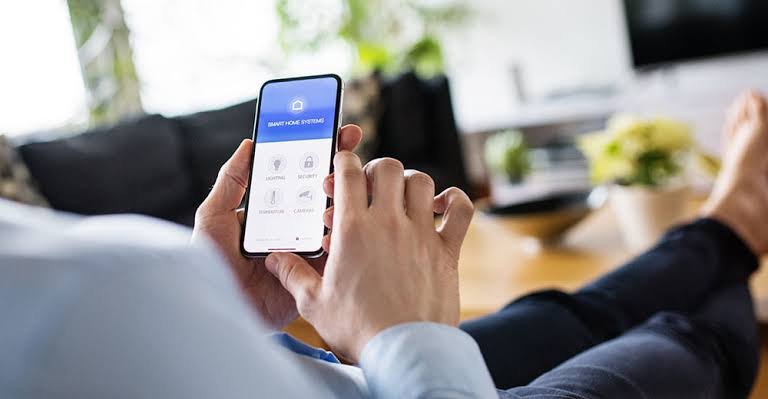
Domotics home automation lets you run lights, heating, security and appliances from one system. This autumn, the field is changing fast. Amazon and Google now run their assistants on large language models. Apple’s home hub is in testing in employees’ homes and could launch as early as October. Siri AI arrived with iOS 27 this month. The timing matters. The assistant you pick will shape your device choices for years. Here is what changed and how to choose well.
Your Smart Home Just Got a Brain Transplant
The biggest shift is the assistant itself. Amazon made Alexa+ free for all Prime members in February 2026. It can chain tasks. For example, it can find a restaurant and book a table. Google took another route. It wants Gemini to be the smartest conversational partner in any room. One four-week test put it simply. Alexa wins on action. Google wins on answers.
Google is rolling Gemini for Home out gradually across Nest speakers and displays. It replaces the old Google Assistant. Not every device gets it on day one. Check your model before you plan around it.
Speed is improving too. Google says Gemini cut smart home latency by 40 percent. It also added real-time camera intelligence. Alexa keeps an edge with older gear. Echo devices with built-in hubs support Zigbee and Z-Wave. That helps anyone who owns older sensors and switches.
There is a catch. The smartest version of each assistant now needs a subscription. Google’s paid tier costs about $10 a month for Gemini Live. Prime members get Alexa+ at no extra cost. Weigh that fee against how often you would use it. For domotics home automation, this is the biggest new cost.
Apple is the wild card. Reports say its hub would use the camera to recognise who is looking at the screen. It would come as a tabletop unit and a wall-mounted one. The launch window runs from October to early 2027. Treat any date as unconfirmed.
Is Matter Finally Fixing the Smart Home Mess?
For years, a doorbell that worked on one platform failed on another. Matter is the industry’s answer. Matter 1.5 added cameras, unified closures, soil sensors and richer energy features. Doorbells, security cameras and baby monitors can now share one standard. Matter 1.5.1 followed in May 2026 with multi-stream video and audio.
Matter had a shaky start after its late 2022 launch. It works better today. One columnist added Matter plugs in 2023 and struggled to pair them with both Alexa and Siri. Software updates on both sides fixed most of that. Small fixes like these add up.
Energy is the quieter story. Matter now has a tariff device type. Utilities can send standard energy data to the home. Devices can then adjust to tariffs or carbon intensity. That makes domotics home automation useful for cutting bills, not just for convenience.
Adoption keeps growing. The Alliance now counts 794 member companies, up 30 percent. It certified 2,473 new products in 2024. The total passed 10,400 certified products and platforms. Ecosystem stickers matter far less today.
Some people want no cloud at all. Home Assistant runs on hardware in your home, like a Raspberry Pi. It does not send data to the cloud. The non-profit Open Home Foundation owns it. Local control keeps routines running when the internet drops. That makes domotics home automation more reliable.

Who Is Listening in Your Living Room?
Assistants now sit in your kitchen and bedroom. Privacy is a real buying factor. One comparison found Google offers more transparent data logs. Amazon gives you more physical switches for microphones and cameras. Ask three questions before setup. Does it process anything locally? Can you delete your history? Can you cut the microphone physically? Good domotics home automation respects those limits.
The 6.2-Device Home: What the Numbers Really Say
Market figures vary widely. Estimates for 2026 run from about $164 billion to $180 billion. Grand View Research goes higher, at $207 billion. Asia Pacific is the fastest-growing region. The number to watch is smaller. The average smart home has flattened at 6.2 connected devices. Most people add a few useful things and stop.
Security needs attention too. Connected households face nearly 30 IoT attacks a day. Update your firmware often. Keep smart devices on a separate network. Good domotics home automation is safe as well as smart.
Savings are a real draw. Smart thermostats save homeowners $50 to $145 a year, per ENERGY STAR. Security is still the top reason people buy. Energy costs come second.
Three Steps to Start This Weekend
Start small. Big projects stall. Small ones stick.
- Pick one room. Choose the room you use most. Lighting there gives the fastest payoff.
- Buy Matter-certified gear. Start with bulbs and one smart plug. Check compatibility before any big purchase.
- Build one routine. Try lights on at sunset. Test it for a week before you add more.
Then add a thermostat. That order is the safest way to begin domotics home automation.
Quick Answers Before You Buy
Is domotics the same as a smart home?
Nearly. A smart home uses devices with internet access. Home automation is broader. It covers any device you control by wireless signal. Most people use the terms interchangeably. Domotics home automation is simply the same idea under another name.
Does it work in apartment blocks or offices?
Not out of the box. Consumer systems were designed for single-family homes. Commercial buildings need more scale and customisation. Renters can still use plug-in bulbs and smart plugs.
Should I wait for Apple’s hub?
If you use HomeKit, waiting a few weeks is reasonable. The date is unconfirmed and could slip into 2027. If you are starting fresh, buy Matter devices now. They should work with any assistant.
How much does it cost to start?
Less than you think. Matter smart plugs can cost about $20 each. One plug can run a lamp or a coffee maker. Add more only when a real need appears.
The Takeaway
The smart home is moving from gadgets you command to an assistant that acts for you. Matter makes brand loyalty less important. Buy certified hardware. Start with lighting or heating. Pick your assistant by what you already own. That is the smartest way into domotics home automation today.