

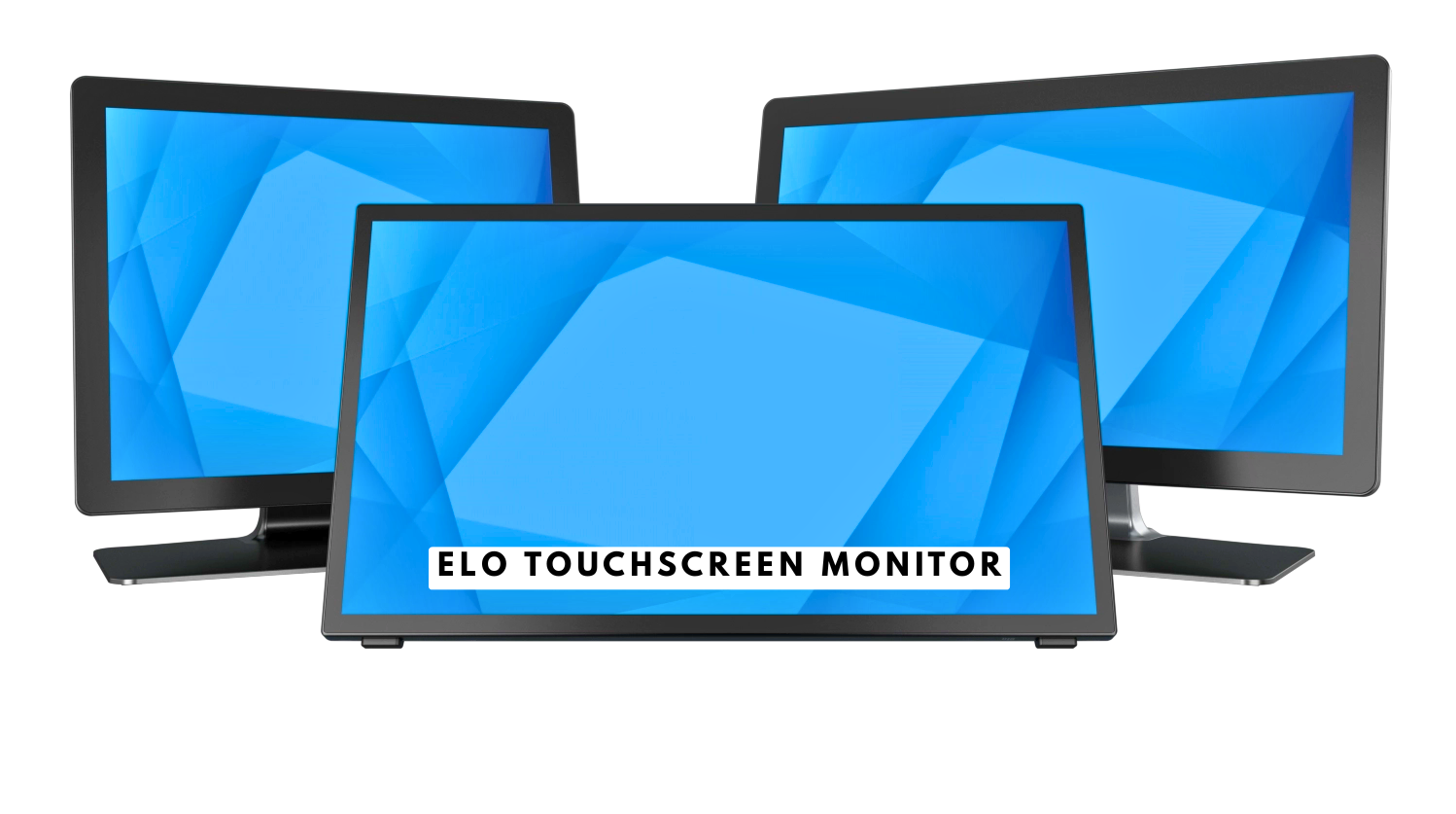
An Elo touchscreen monitor is a professional interactive display designed to make digital tasks faster and easier. Instead of using only a keyboard and mouse, users can directly tap, swipe, and control applications through the screen. These displays are widely used in retail stores, restaurants, hospitals, schools, offices, and self-service systems because they offer simple operation and reliable performance.
Elo Touch Solutions is a trusted name in commercial touchscreen technology. The company creates displays that focus on durability, accurate touch response, and long-term use. For businesses that need a strong and practical interactive display, Elo products provide a dependable solution.
What Is an Elo Touchscreen Monitor?
An Elo touchscreen monitor is a display device that combines an LCD screen with touch-sensitive technology. It allows users to interact with software, menus, and digital content by touching the screen directly.
Unlike normal computer monitors, these displays are mainly designed for professional environments. They are built to handle frequent daily use and provide consistent performance in busy locations. Businesses often use them because they improve speed, reduce extra equipment, and create a better user experience.
Elo offers different sizes and designs to match various needs. Smaller models are suitable for checkout counters and offices, while larger screens are commonly used for kiosks, information stations, and customer service areas.
Background of Elo Touch Solutions
Elo Touch Solutions has been involved in touchscreen innovation for many years. The company helped popularize interactive displays in commercial environments by creating solutions that replaced traditional input methods.
Over time, Elo expanded its products for industries such as retail, healthcare, hospitality, education, and industrial automation. Its focus has always been on creating reliable touchscreen systems that businesses can use every day.
Because of its experience and commercial focus, Elo has become a recognized brand in the touchscreen industry.
Elo Touchscreen Monitor Bio Table
| Detail | Information |
|---|---|
| Product Name | Elo Touchscreen Monitor |
| Brand | Elo Touch Solutions |
| Product Type | Interactive Touchscreen Display |
| Category | Commercial Display Technology |
| Founded Brand History | Elo has been involved in touchscreen technology for many years |
| Main Purpose | Touch-based interaction and digital control |
| Display Type | LCD Touchscreen Display |
| Touch Technology | Projected Capacitive, Resistive, and Infrared (varies by model) |
| Common Screen Sizes | 15-inch, 17-inch, 20-inch, 24-inch, 27-inch and larger models |
| Main Users | Businesses, retailers, restaurants, hospitals, schools, and industries |
| Popular Models | Elo 1517L, Elo 2002L, Elo 2402L, and other commercial series |
| Main Features | Multi-touch support, durable design, clear display, flexible installation |
| Connectivity Options | USB, HDMI, and other professional connections (model dependent) |
| Design Style | Professional and business-focused design |
| Installation Options | Desktop stand, wall mount, kiosk integration |
| Key Benefits | Easy operation, reliable performance, space saving, better customer interaction |
| Common Applications | POS systems, self-service kiosks, digital menus, information stations |
| Target Market | Commercial and professional users |
| Maintenance | Regular cleaning and proper installation help improve lifespan |
| Price Range | Depends on model, size, features, and condition |
| Official Brand | Elo Touch Solutions |
| Product Reputation | Known for durable and reliable touchscreen solutions |
How Touchscreen Technology Works
A touchscreen display works by detecting touch on the screen surface and converting it into a command. When a user taps or moves a finger across the display, sensors identify the location and send information to the connected system.
Different touch technologies are available depending on the model. Some displays use projected capacitive technology, which provides smooth and accurate touch performance similar to smartphones. Others may use resistive or infrared technology for special working conditions.
The choice of touch technology depends on where the monitor will be used. Some environments need fast multi-touch features, while others require stronger durability or glove-friendly operation.
Design and Build Quality
One of the biggest advantages of Elo displays is their professional construction. These monitors are designed for areas where many people interact with the screen throughout the day.
Many models include durable glass surfaces that are easy to clean and suitable for public locations. This makes them useful in restaurants, healthcare facilities, and retail stores where hygiene and regular maintenance are important.
The design is simple and practical, allowing businesses to install them on desks, walls, or custom kiosks. Their flexible design helps them fit into many different working environments.
Features and Performance
Modern Elo touchscreen displays include features that support business needs. High-quality screens provide clear images, while responsive touch systems allow users to complete tasks quickly.
Many models support common connections such as USB and HDMI, making them compatible with different computers, payment systems, and business applications.
Another important feature is reliability. Commercial environments often require equipment that can operate for long periods without problems. Elo designs its products to meet these demanding requirements.
Benefits of Using Elo Touchscreen Monitor
The main benefit of an Elo touchscreen monitor is convenience. Users can complete tasks directly on the display without needing separate input devices. This creates a faster and more natural interaction.
Retail businesses use touchscreen displays to manage sales, check product information, and improve customer service. Self-service systems also allow customers to complete tasks independently, reducing waiting times.
Restaurants use touchscreen solutions for ordering systems, payment stations, and kitchen communication. These systems can improve order accuracy and help staff work more efficiently.
In healthcare, touchscreen displays support patient check-in systems, information access, and administrative tasks. Their easy operation makes them valuable in environments where speed and accuracy matter.
Common Applications
Elo touchscreen displays are used in many industries because of their flexibility.
Retail stores often use them as point-of-sale systems for faster transactions and improved customer support.
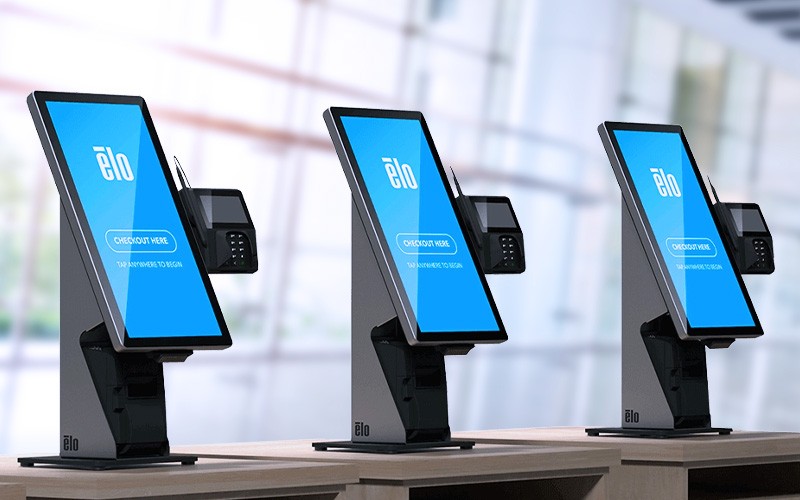
Restaurants and cafes use them for digital menus, self-order kiosks, and payment solutions.
Schools and training centers use interactive displays to support digital learning and presentations.
Industrial companies use touchscreen systems for machine controls, monitoring, and automation because they provide simple and direct operation.
Popular Models
Elo provides different models for various business requirements. Compact models are useful for small workspaces, while larger displays are designed for customer-facing applications.
The Elo 1517L is a smaller touchscreen display commonly used in offices and checkout areas where space is limited.
The Elo 2002L offers a larger viewing area and is suitable for retail, hospitality, and general business applications.
The Elo 2402L and larger models provide more screen space for kiosks, digital menus, and interactive information systems.
Buying Considerations
Before buying a touchscreen display, users should consider their purpose and environment. Screen size is important because different locations require different display sizes.
Touch technology should also match the working conditions. Businesses should choose a model that provides the right balance between performance and durability.
Connectivity is another key factor. The monitor should support the devices and software systems it will be connected with.
For public areas, durability should be a priority because the display may receive frequent daily use.
Price and Maintenance
The cost of an Elo touchscreen monitor depends on factors such as screen size, technology, resolution, and additional features. Commercial touchscreen displays usually have a higher price than standard monitors because they are built for professional use.
Many businesses consider these displays a long-term investment because reliable equipment can improve productivity and reduce replacement costs.
Proper maintenance is also important. Cleaning the screen with suitable products and avoiding harsh materials can help protect the display surface and maintain touch performance.
Final Thoughts
An Elo touchscreen monitor is a reliable choice for businesses that need interactive technology. With strong construction, responsive touch features, and wide industry applications, these displays provide practical solutions for modern workplaces.
From retail stores and restaurants to hospitals and schools, Elo touchscreen products help create smoother and more efficient user experiences. Choosing the right model depends on budget, location, and business needs, but a well-selected touchscreen display can provide excellent value for many years.
FAQs
Q: What is an Elo touchscreen monitor?
A: An Elo touchscreen monitor is an interactive display that allows users to control applications by touching the screen directly.
Q: Where are Elo touchscreen monitors commonly used?
A: Elo touchscreen monitors are used in retail stores, restaurants, hospitals, schools, offices, and self-service kiosks.
Q: What are the benefits of an Elo touchscreen monitor?
A: An Elo touchscreen monitor offers easy operation, accurate touch response, durability, and improved user interaction.
Q: Which industries use Elo touchscreen displays?
A: Elo touchscreen displays are widely used in healthcare, hospitality, education, retail, and industrial environments.
Q: How do I choose the right Elo touchscreen monitor?
A: Choose an Elo touchscreen monitor based on screen size, touch technology, connectivity, and your specific business needs.