

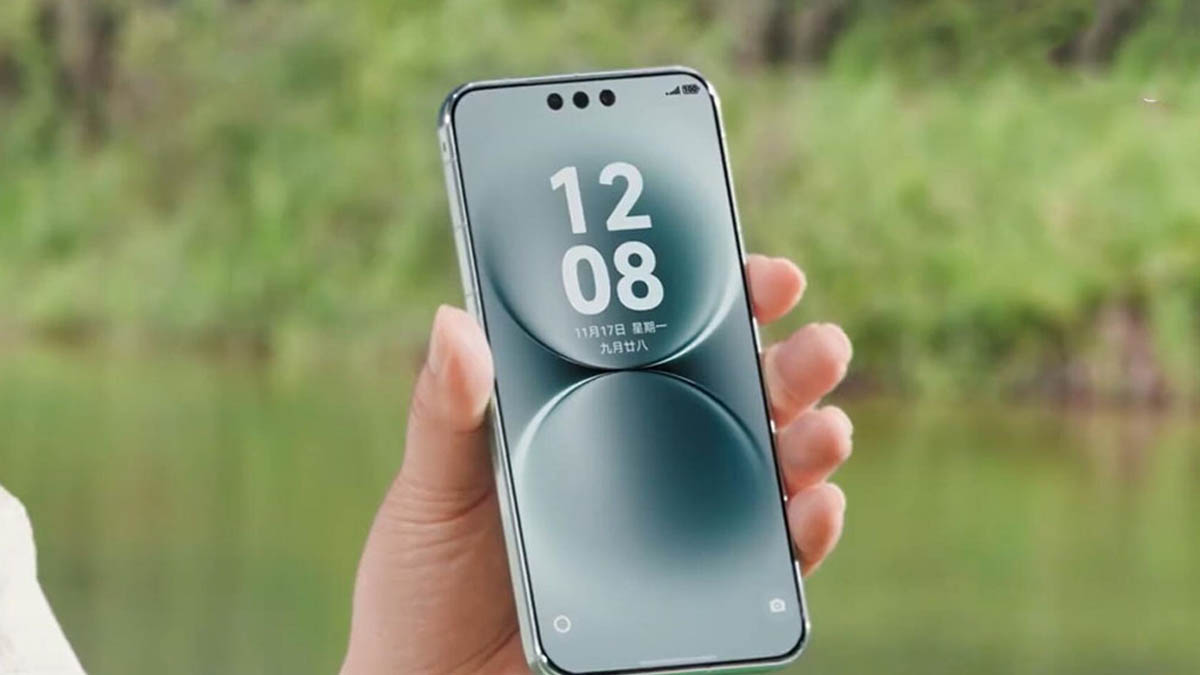
Huawei didn’t make anyone wait this time. The Huawei Mate 90 was announced and put on sale on the same day, October 1, which has never happened with a Mate flagship before. The base model costs 5,999 yuan for 12GB + 256GB, and it comes with the Kirin 9030 chip, HarmonyOS 7 and a 6,600mAh battery. That’s a big jump from the 5,750mAh cell in the Mate 80. Tracker RDObservation says around 270,200 units of the series shipped in the first ten days. The bigger story is price. Memory chips have gotten expensive, phone makers are passing that on, and the Mate 90 shows how far Huawei thinks its fans will follow.
Same-Day Launch: What Was Huawei Thinking?
Normally Huawei launches a Mate phone and then makes buyers sit through a week of pre-orders. Not now. The event started at 10 a.m. China time on October 1, and sales opened at 12:08 p.m. There were no reservations and no pre-order window. Huawei Central reports the warm-up was only two days long, partly because a Luxeed RX SUV event on September 28 pushed everything back.
It’s also early. The Mate 80 only arrived in November 2025, so this generation lands about two months ahead of schedule. Huawei’s stores were already showing the phone before the announcement, so plenty of people were ready to buy.
You get five models: Mate 90, Mate 90 Pro, Mate 90 Pro Max, a Pro Max Collector’s Edition and the RS Ultimate Design. Each tier gets its own chip. The standard phone has the Kirin 9030, the Pro has the Kirin 9035, and the Pro Max and above use the Kirin 9050 Pro. German site GIGA says the Pro Max accounts for nearly 40 percent of sales and the Pro for about 30. So most people are skipping the cheapest model.
Huawei Mate 90 Specs: What Do You Actually Get?
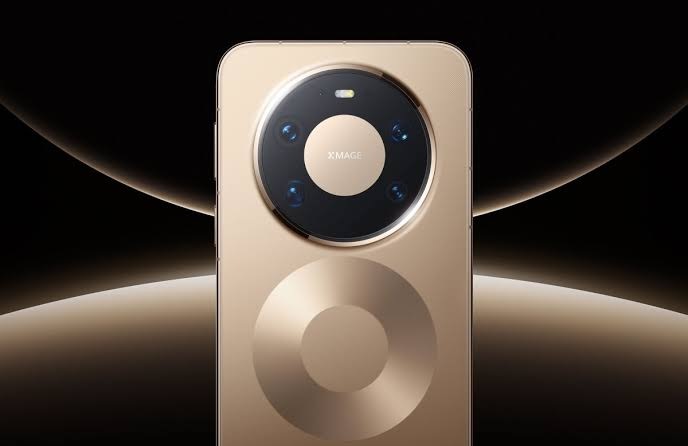
Start with the screen. It’s a 6.75-inch LTPO OLED at 2832 × 1280, running anywhere from 1 to 120Hz. The body measures 161.9 × 75.7 × 7.95mm and weighs about 217g, which is exactly what the Mate 80 weighed, even with the larger battery inside. Colors are black, white, green and pink, and the green and pink ones have a textured lattice back. Huawei rates the phone IP68 down to six meters and IP69 for hot, high-pressure water jets, which is more than most rivals bother to promise.
The cameras are where Huawei spent its effort. The main one is a 50MP RYYB sensor with stabilization and a variable aperture that moves between f/1.4 and f/4.0. Next to it sit a 40MP ultrawide and a 50MP telephoto with 4x optical zoom, and Huawei says it can stretch to 8x at optical-level quality. A third-generation Red Maple color sensor is there to keep skin tones and greens honest. Step up to the Pro Max and you get a 200MP telephoto, plus a 240mm teleconverter that clips onto the camera module.
Is the Kirin 9030 Really 27 Percent Faster?
That’s Huawei’s own number, so treat it carefully. The company breaks it down as 13 percent more CPU power, 54 percent more GPU power and 13 percent more NPU capability compared with the Mate 80. The GPU figure stands out. If it holds up in real testing, games and AI features should feel noticeably smoother.
Charging is 66W wired and 50W wireless, and the phone can reverse-charge other devices both ways. Unlock options are 3D face recognition and a side fingerprint sensor.
5,999 Yuan: Fair Price or Just Expensive?
Here’s the awkward part. The 12GB + 256GB Mate 90 costs 5,999 yuan. The 512GB version is 6,999 yuan and 1TB is 8,499 yuan. The Mate 80 launched in November 2025 at 4,699 yuan for the base model, according to Turkish site Tamindir. Huawei Central says its price has since been moved to 5,499 yuan because of memory costs. Either way, you’re paying more this year.
Pre-launch tipsters guessed somewhere between 5,499 and 5,999 yuan. Huawei picked the top of that range. It shouldn’t be a shock. Richard Yu, who runs Huawei’s consumer business, warned back in April that the rise in memory prices would probably mean large price increases on upcoming phones. Russian site iChip, citing GSMArena, noted that 5,999 yuan is what the Mate 80 Pro cost at launch. The Mate 90 Pro starts a full 1,000 yuan higher at 6,999.
So should you upgrade from a Mate 80? If battery life and the camera are what you care about, probably yes. You’re getting a bigger battery, a faster GPU and a better telephoto in the same thin body. But if you just want a good Huawei flagship for less money, the Mate 80 is cheaper now and has already sold over 9.5 million units, close to Huawei’s 10 million goal. Not a bad fallback.
Quick Answers Before You Buy
Which chip is inside the Huawei Mate 90?
The standard model runs the Kirin 9030 with HarmonyOS 7. The Pro uses the Kirin 9035, while the Pro Max and Collector’s Edition use the Kirin 9050 Pro. Huawei claims gains of 27, 20 and 31 percent over the matching Mate 80 models.
How good is the battery?
It’s a 6,600mAh cell, 850mAh bigger than the Mate 80’s. Huawei hasn’t given a battery-life figure in hours, so wait for real-world tests. Charging is 66W by cable and 50W wireless.
Can you buy it outside China?
Not yet, as far as reports show. All launch and sales news so far is for China, and Huawei hasn’t announced an international release. The Mate 80 wasn’t sold in Turkey, according to Tamindir, so don’t assume the Mate 90 will travel either. Keep an eye on local announcements.
Is the Mate 90 waterproof?
It has IP68 protection to six meters and IP69 against hot water jets. That’s a strong rating, but most warranties still won’t cover water damage, so don’t test it on purpose.
So, Is the Mate 90 Worth Watching?
Yes. The Huawei Mate 90 is a real step up from the Mate 80 in battery, camera and speed, and it costs more because of the memory crunch. Early sales show many buyers in China don’t mind. What happens next depends on independent reviews and whether Huawei ever takes the phone abroad. For now, 5,999 yuan is the number to measure everything else against.